
Teagasc Crop Report
Crop Report Update Number 3 2026
Crop Report Update Number 3 2026
To view the full report you must have an existing account with Teagasc ConnectEd.
Farmers sign in hereAlready have a ConnectEd account? Connected Client or Teagasc staff log in here
Headlines
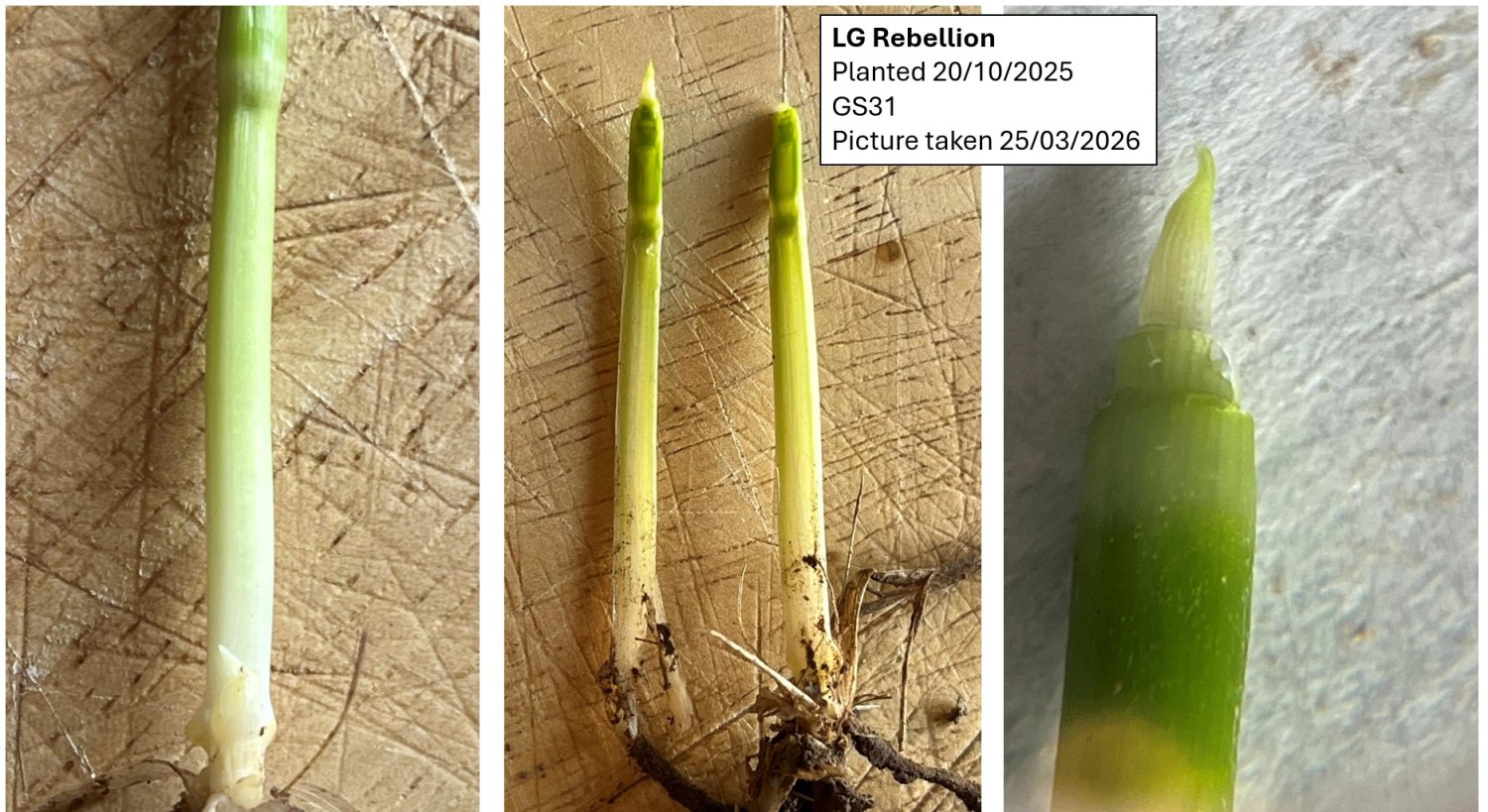
- Winter wheat: Wide variation in growth stages this year. Most crops are between mid-tillering and GS30, while some early developing varieties like LG Rebellion and KWS Equipe have reached GS31 which is a critical timing for nitrogen and PGR application. Low levels of yellow rust have been reported to date.
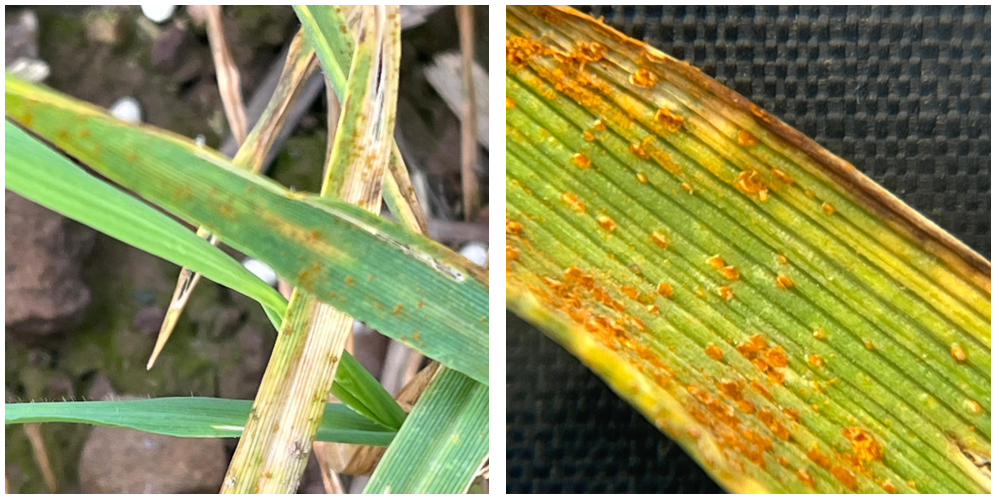
- Winter barley: The majority of crops are at GS30. However, early varieties such as Joyau and Integral have reached GS31. Brown rust is present in both these varieties, with some reports of rhynchosporium and net blotch, particularly where barley follows barley.
- Spring cereals: Very little progress has been made with spring barley sowing. Some oats and wheat have been planted, but overall area for both crops is expected to decline this year.
- Spring beans: Good progress has been made with planting, although some crops remain to be sown. These should be prioritised once weather conditions improve. Seed sales indicate that the area will be similar to 2025.
- Winter oilseed rape: Crops are beginning to come into flower. Those that received organic manures in the autumn are showing good growth and reduced nitrogen requirements. Light leaf spot has become more evident in many crops over the past week.
Winter Wheat
There are a wide range of growth stages in winter wheat depending on variety and sowing date. The majority of crops have not yet reached GS30 but there are crops of LG Rebellion, KWS Equipe and some Graham already at GS31, the critical timing for nitrogen application. Most crops have recently received their compound fertiliser application, with most receiving about ~40kg/ha of nitrogen. There are some reports of yellow rust but mostly at low levels so far however consistent monitoring is important.
Click on the link for details of the 2026 winter wheat monitor crops
Please create an account to view hidden content
Winter barley
Winter barley crops are progressing well, with growth stages ranging from mid-tillering to GS31 in earlier sown and more forward varieties such as Integral and Joyau. Recent wet weather has delayed field operations, leading to an accumulation of work. The majority of crops are now at or approaching GS30, which is a critical timing for PGR in crops with a risk of lodging and disease control if disease is present. Wild oats need to be controlled in most crops and a tidy up of broad leaved weeds is needed in some crops. It is important to inspect crops as brown rust, rhynco and net blotch have been easily found in recent days.
Click on the link for details of the 2026 winter barley monitor crops
Please create an account to view hidden content
Winter Oats
Winter oat crops have come through the winter months fairly well despite the wet weather, most crops have at this stage received their compound fertiliser but have yet to receive herbicides, PGR or fungicide. Click on the link for details of the 2026 winter oat monitor crops.
Please create an account to view hidden content
Spring cereals
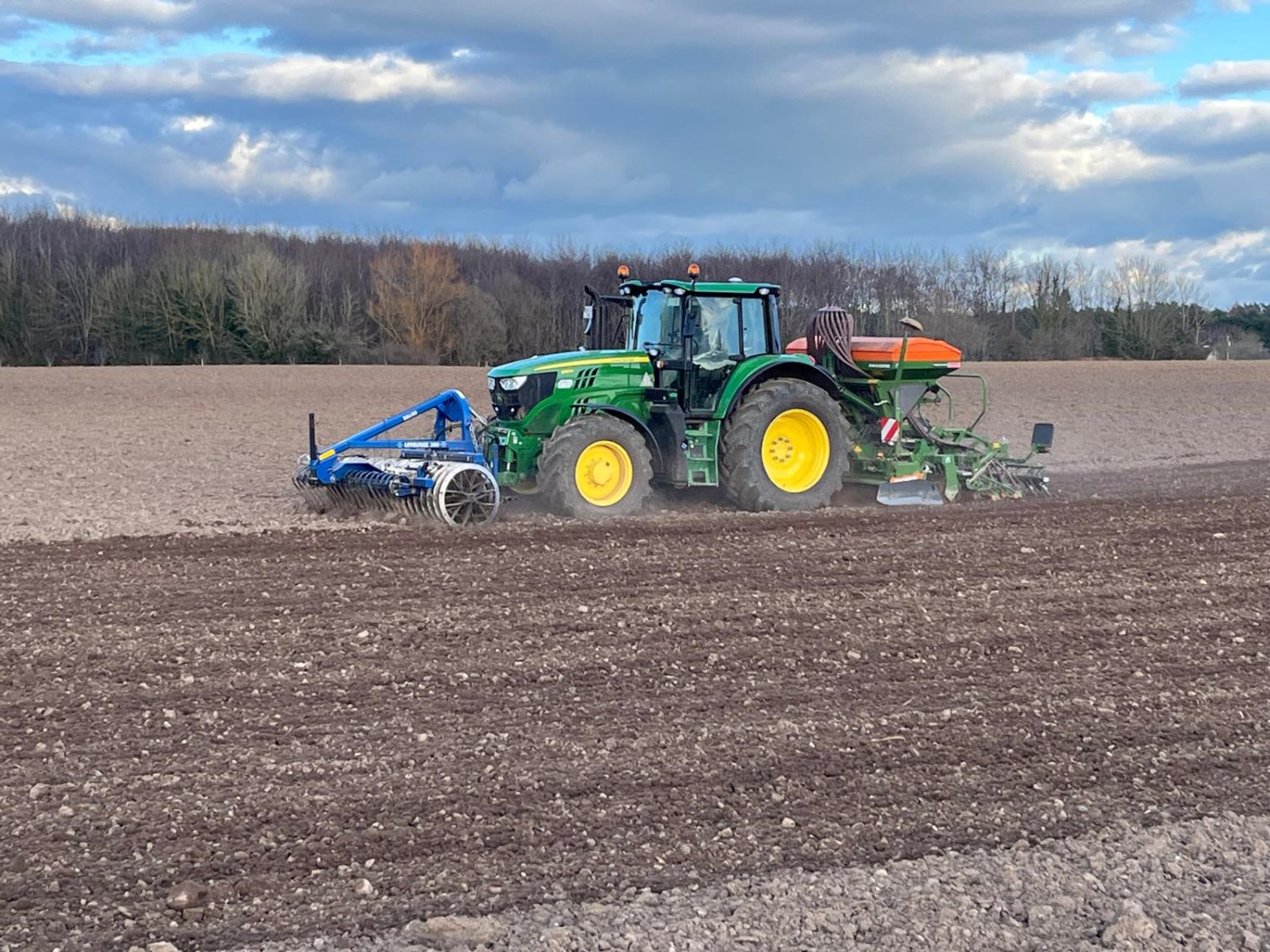
There is very little spring cereals sown to date, with virtually no spring barley sown. Small areas of spring wheat and oats were planted last weekend, but overall areas of these crops are expected to decline this season. While a good deal of ploughing was completed last week, soil conditions have not dried sufficiently to allow widespread planting of spring barley.
Barley varieties
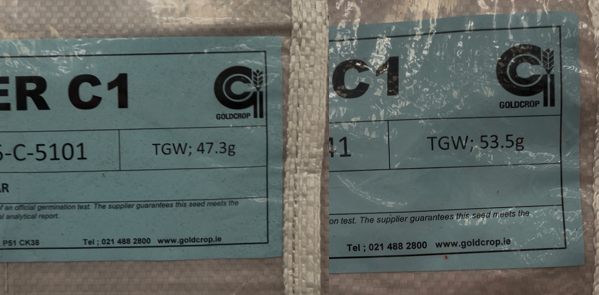
There is a great selection of spring barley varieties available this season, offering good disease resistance and excellent straw characteristics. When calculating seed rates, it is very important to check the Thousand Grain Weight (TGW) on the seed bag. TGW can vary significantly even within the same variety, and it is essential for accurately calculating the quantity of seed required to achieve target plant populations.
As sowing moves into April:
- Aim to establish at least 300 plants/m²
- Increase to 320–325 plants/m² where drilling is delayed towards the end of April
Adjust seed rates accordingly based on TGW, expected establishment percentage, and field conditions.
Fertiliser
It is critical to incorporate nitrogen, phosphorus, and potassium into the seedbed at sowing to support early crop establishment. The remaining nitrogen should then be applied as soon as tramlines become visible, ensuring availability of nitrogen to support early growth and tiller development. Fertiliser guideline available here.
Winter Oilseed Rape
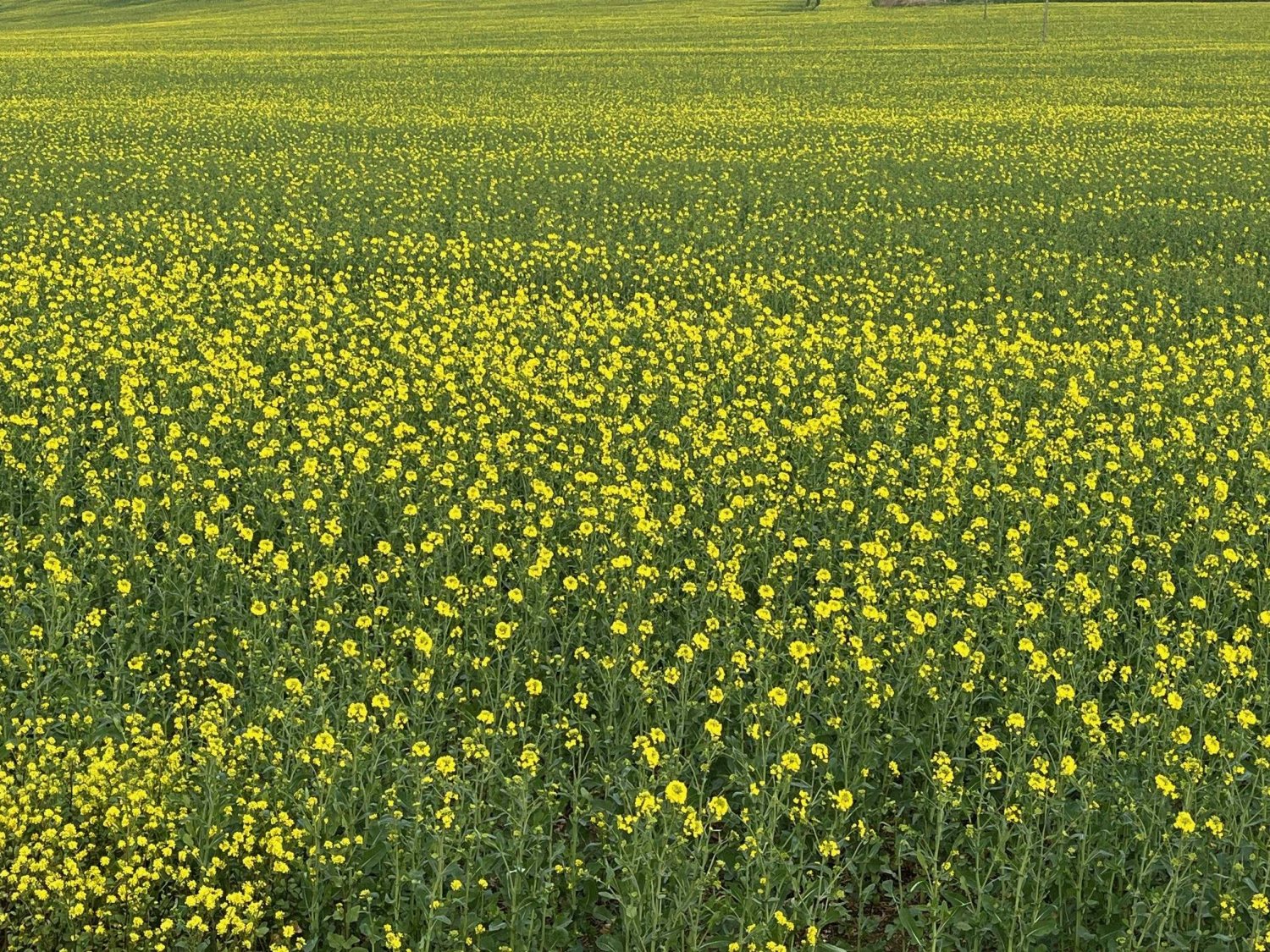
Crops that received organic manures in the autumn are generally the most forward and are now the first to come into flower. Good growth over the winter, combined with low levels of pigeon grazing, has reduced nitrogen requirements in many crops this season. However, light leaf spot has been reported in a significant number of crops over the past week, and crops should be monitored closely.
Please create an account to view hidden content
Spring beans
Good progress was made with the planting of beans last week as conditions improved. Most merchants are now sold out of seed, so the overall bean area is expected to be similar to 2025. Any remaining beans should be sown as soon as possible to avoid delays at harvest and to maximise yield potential.
Please create an account to view hidden content