
Teagasc Crop Report
Crop Report Update Number 9 2026
Crop Report Update Number 9 2026
To view the full report you must have an existing account with Teagasc ConnectEd.
Farmers sign in hereAlready have a ConnectEd account? Connected Client or Teagasc staff log in here
Cereal Seed Rates
Planting of winter cereals is well underway in the north-east, while growers in the south are taking advantage of favourable sowing conditions this week.
When calibrating the seed drill, check the thousand grain weight (TGW) stated on the seed bag. TGWs are generally lower this year, with many merchants reporting reductions of 4–5 g compared with previous seasons. As a result, seed rates may need to be adjusted downwards.
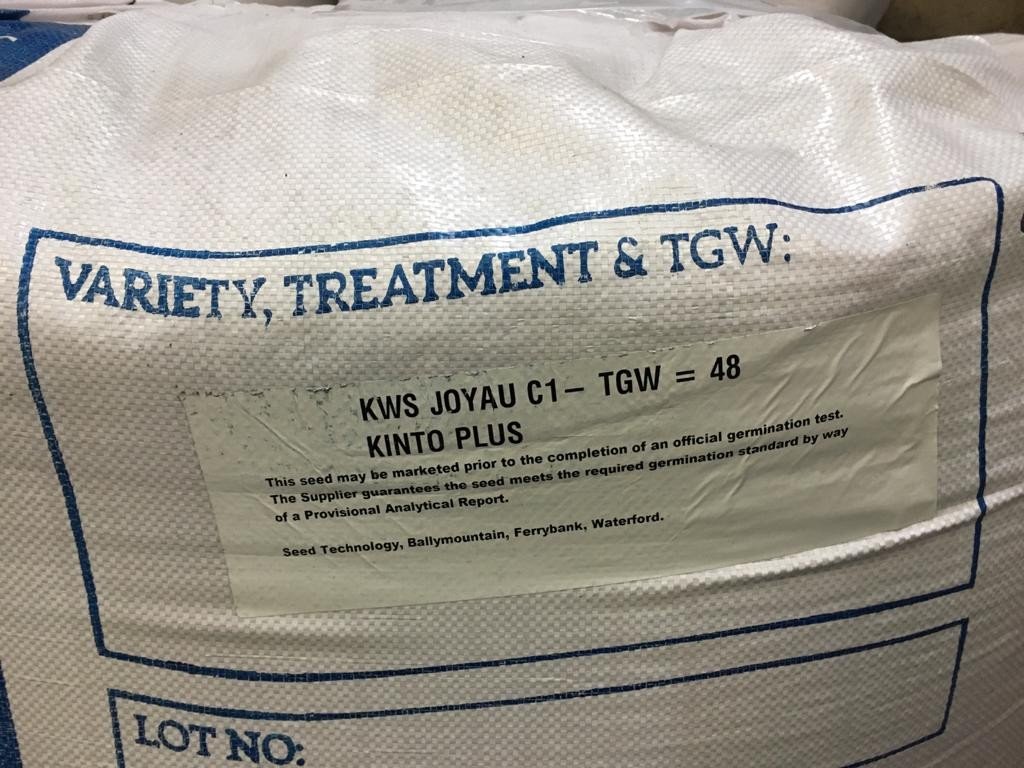
For example, reducing the TGW of winter barley from 52 g to 47 g reduces the seed rate required to establish 280 seeds/m² from 182 kg/ha to 168 kg/ha, a difference of 14 kg/ha. This highlights the importance of calibrating the drill accurately for each seed lot.
Overly thick crops can increase the risk of lodging and make crops more susceptible to disease later in the season.
Target establishment rates this week are:
- Winter barley: 280 seeds/m²
- Winter wheat: 250 seeds/m²
For more details on the recommended lists for 2027 and the thousand grain weights click on the link Cereal Seed
Pre-emergence Weed Control
The importance of pre-emergence weed control cannot be overstated, particularly in early sown winter wheat and barley.
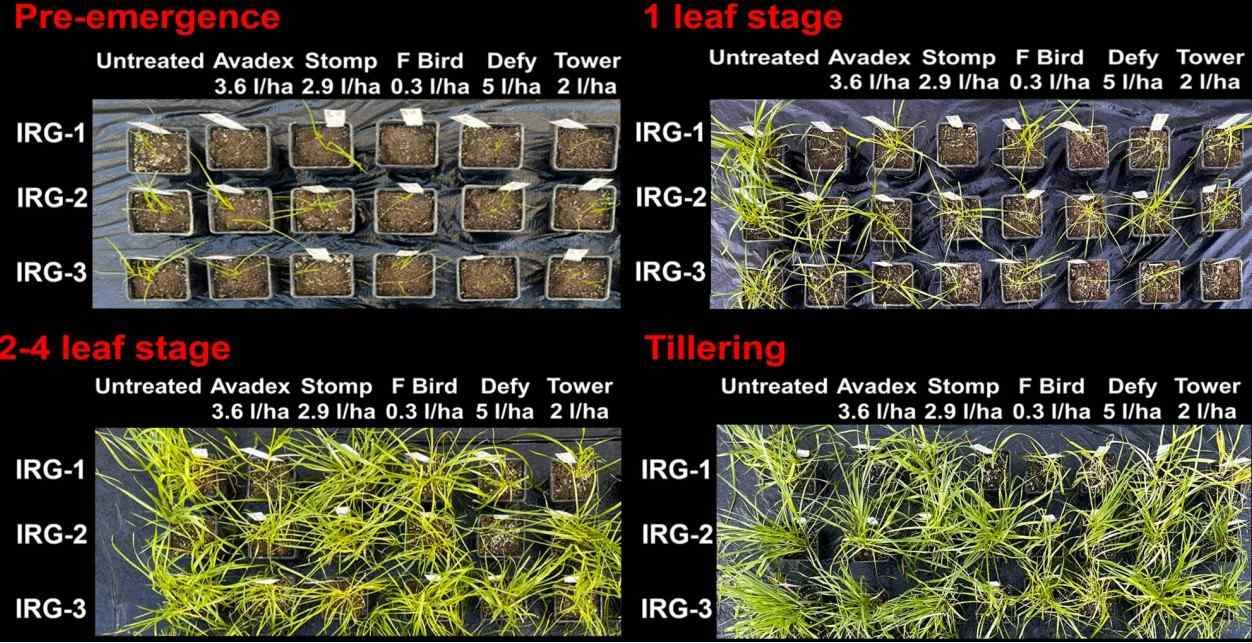
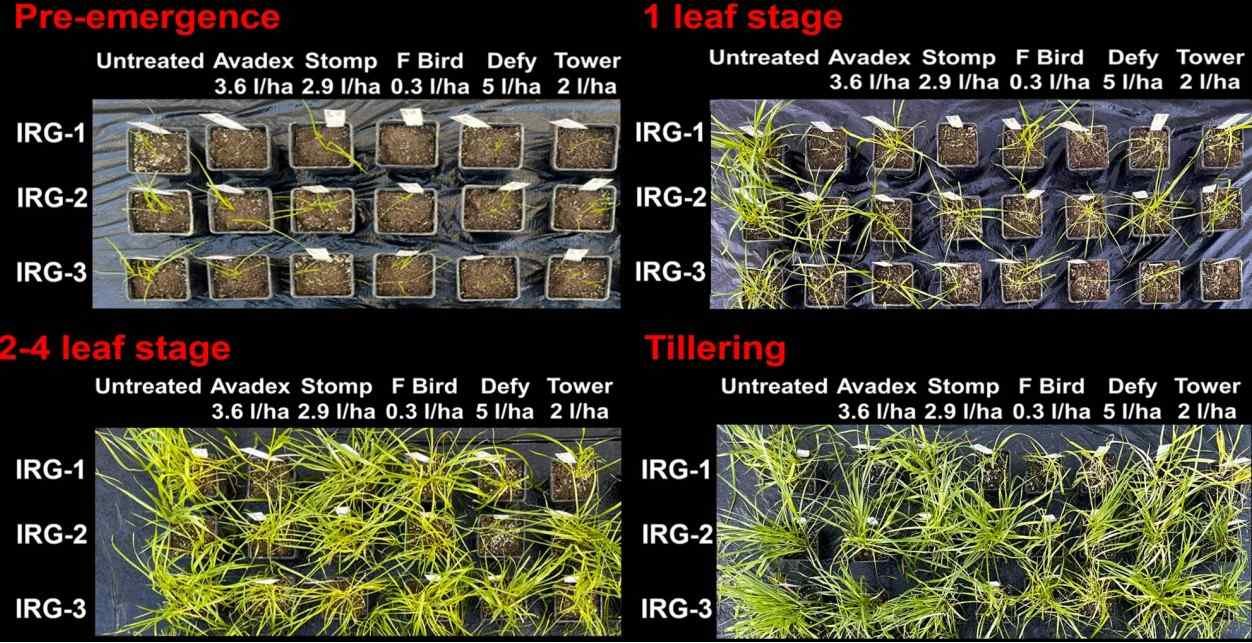
An increasing number of weed samples are being submitted to Teagasc for herbicide resistance testing. Results indicate that many growers are running out of effective control options for some weed species, particularly grass weeds. Pre-emergence herbicide application remains the most reliable strategy for achieving effective control.
Pre-emergence
- Pre-emergence generally gives the best opportunity to control difficult grass weeds.
- Aim to apply residual herbicides at true pre-emergence, ideally 24–48 hours after drilling.
- Good seedbeds and adequate soil moisture are important for residual herbicide activity.
- Pre-emergence is particularly important:
- where grass weeds have been a problem previously;
- in early-sown crops;
- where blackgrass, Italian ryegrass or brome are present;
- where later travel may be difficult because of wet weather.
Flufenacet in use up
- Flufenacet is in use up and all products containing flufenacet must be used by 10 December 2026.
- This includes products such as Firebird, Navigate, Griffen, Naceto and Reliance
Please create an account to view hidden content
BYDV
Barley yellow dwarf virus (BYDV) remains a serious threat to winter cereal yields. The risk of infection and subsequent yield loss increases with early sowing and mild autumn weather, such as the conditions we have this week.
BYDV tolerance or resistance is a major advance in winter barley and can significantly reduce the risk of infection and yield loss. In 2026, 83% of the certified winter barley seed area in Ireland has BYDV tolerance or resistance, however it is likely that more than 90% of the winter barley crop sown this autumn will have BYDV tolerance or resistance. However, it does not provide completely eliminate the risk.
Winter wheat and oats remain susceptible to BYDV, with no tolerance or resistance currently available. Therefore, different BYDV management strategies are required this autumn, depending on the crop grown.

Please create an account to view hidden content
Winter Oilseed Rape
The area sown to winter oilseed rape has increased significantly this season, from approximately 18,000 ha last year.
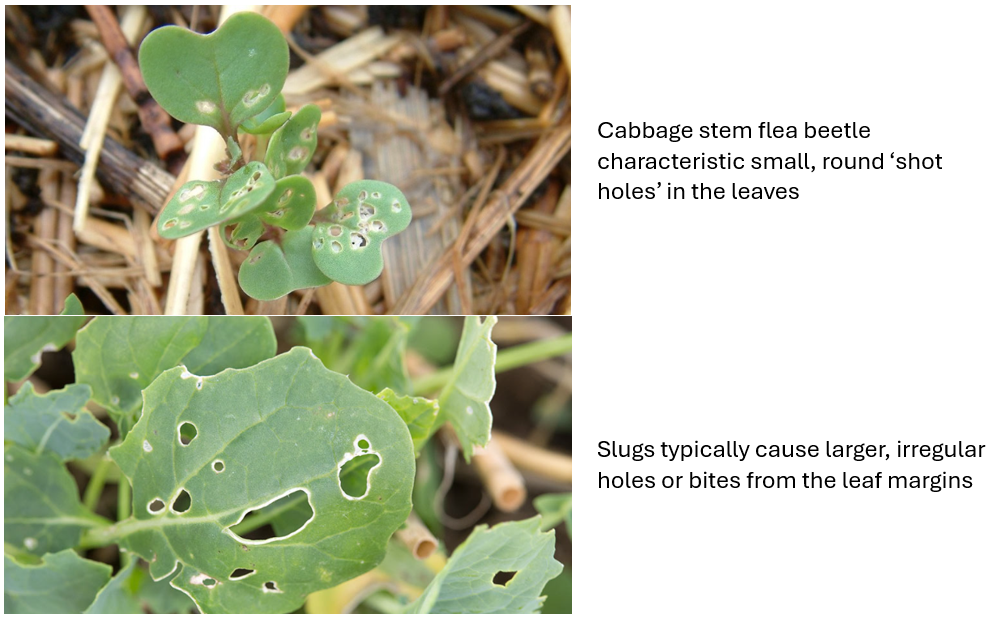
Crops have established well, helped by early sowing and above average soil temperatures. Some slug activity and cabbage stem flea beetle damage have been reported, but favourable growing conditions have enabled most crops to grow through the critical establishment period quickly.
Organic manures have performed particularly well, with crops showing particularly large canopies. These well developed crops will be better able to withstand pigeon grazing as temperatures fall later in the season.
Please create an account to view hidden content
Potatoes
Most growers have started to lift crops for cold storage with conditions almost ideal in many parts of the country although soils in the north west are very wet. Yields will be below average but it is still too early to say exactly how they will yield overall.
Please create an account to view hidden content