
Teagasc Crop Report
Crop Report Update Number 5 2026
Crop Report Update Number 5 2026
To view the full report you must have an existing account with Teagasc ConnectEd.
Farmers sign in hereAlready have a ConnectEd account? Connected Client or Teagasc staff log in here
Headlines
- Winter wheat: Early developing varieties in the Teagasc Monitor Crops are now at fully emerged flag leaf, while the majority of crops remain 5–7 days away from full flag leaf emergence. Yellow rust has generally been well controlled by T0 fungicide applications, while septoria levels are currently moderate.
- Spring barley: Nutrient deficiency symptoms are becoming more prevalent, particularly where rainfall over the past 2–3 weeks has been low. Manganese and magnesium deficiencies are the most commonly reported issues.
- Spring beans: Now is the ideal timing to control grass weeds in spring beans using graminicides such as Fusilade Max, Stratos Ultra and Falcon. Beware of cut-off timings, as both Fusilade Max and Falcon must be applied before the first flower bud becomes visible.
- Winter barley: Final fungicide applications have now been completed on most crops. Disease levels remain low, with very few reports of ramularia to date.
- Potatoes: Planting of maincrop potatoes is now well progressed, with most growers expected to finish over the coming week. A recent Teagasc survey conducted at the end of April suggests that 50% of growers intend to plant less maincrop potatoes in 2026 compared to 2025.
Winter Wheat
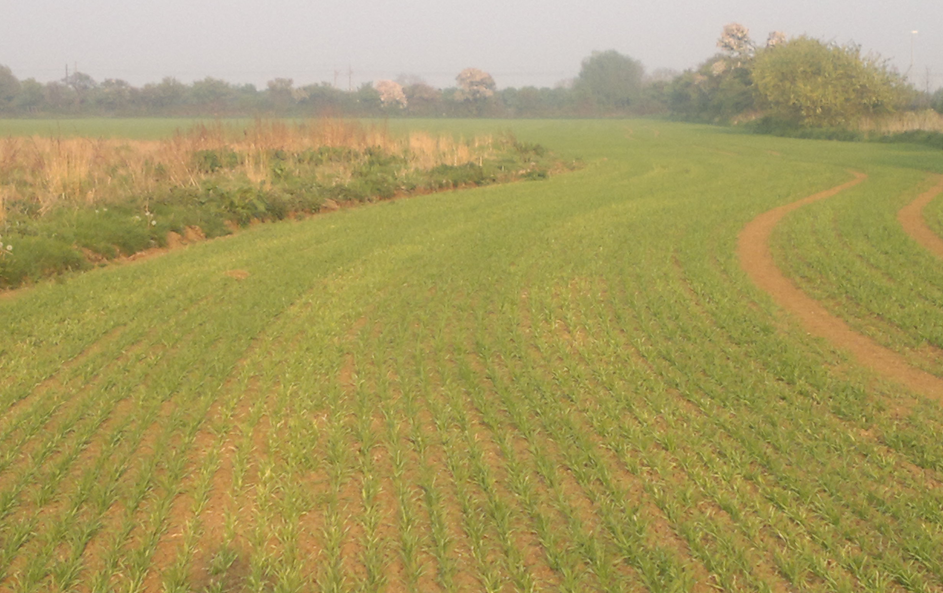
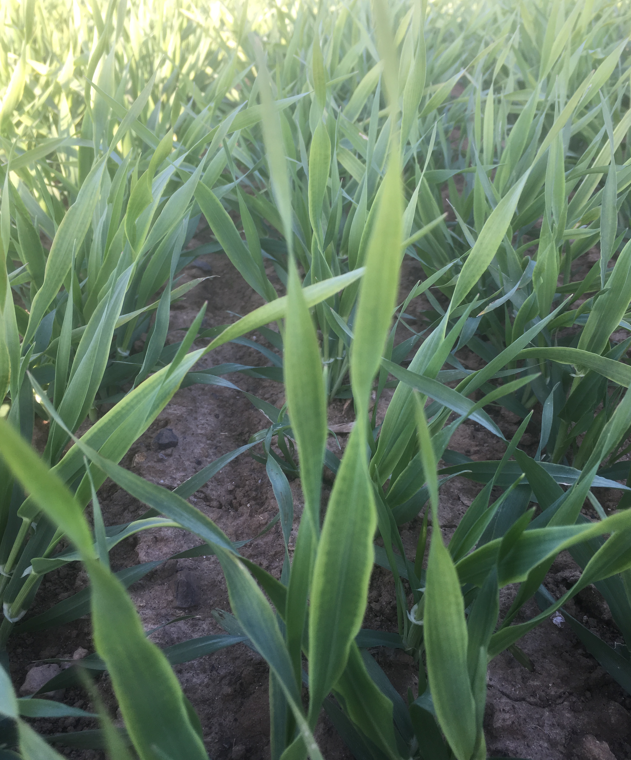
Winter wheat crops are approaching flag leaf emergence with some of the early sown or faster developing varieties at flag leaf fully emerged so the next fungicide application will be applied over the coming week to ten days. Rust continues to be a problem in some varieties e.g. Champion, Dawsum etc. however most crops have received a robust programme so far to control rust, septoria levels are low but it is present the canopy on the lower leaves.
See details of the 2026 winter wheat monitor crops
Please create an account to view hidden content
Spring Barley
There is a wide range of crops across the country ranging from crops just emerging to ones at GS30/31. Nutrient deficiency symptoms are prevalent where rainfall amounts in the last 2-3 weeks have been low, cold weather over the last week is also affecting growth.
Please create an account to view hidden content
Winter Oats
Winter oat crops are at booting stage with little or no reports of any significant disease issues. The final fungicide will be applied probably in the next week to ten days.
Please create an account to view hidden content
Spring Beans
Establishment of spring bean crops is generally excellent this year, helped by later sowing dates and reduced crow damage compared to previous seasons.
Some growers have reported issues with weed control where pre-emergence herbicides were applied. Dry soil conditions following application are likely to be a contributing factor, as moisture is required to activate residual herbicides. Crops should now be monitored and post-emergence options considered where weed profile fits the only available broad leaf option which is Basagran.
Levels of bean weevil notching are variable across the country. Most growers have now applied an insecticide where treatment was considered necessary.
There are currently no significant reports of disease in spring beans. However, crops should continue to be monitored for chocolate spot as crop canopies develop. Fungicide application before chocolate spot appears or before flowering is important for control.
Please create an account to view hidden content
Fodder beet
The loss of Desmedipham and Triflusulfuronmethyl (Debut) makes weed control more difficult especially where brassica weeds are present. Correct weed identification and timing are increasingly important. Timing is crucial especially where brassica weeds are present. Good rates of phenmedipham (Betanol Flo etc.) will be important to control brassica weeds.
Please create an account to view hidden content
Potatoes
Planting of maincrop is well progressed at this stage with most growers expected to finish up in the coming week. Progress in the south is finished but growers on heavier soils in the north and north east expect to be finished by the endo of the month. A recent Teagasc survey conducted at the end of April suggests that 50% of growers will plant less maincrop in 2026 compared to 2025. How much this related to in the overall area will be know towards the end of June.
Please create an account to view hidden content
Maize
The maize area for 2026 is expected to be similar to 2025, with the majority of crops now planted.
A significant proportion of the crop has now been planted in the open rather than under plastic. The key timing for post-emergence herbicide applications is generally at the 4–6 leaf stage of the crop, when weeds are small and actively growing. Timely application is important, as maize is a poor competitor.
Please create an account to view hidden content
Winter Barley
Almost all winter barley crops have headed out at this stage with awns visible even on the later sown crops. The final fungicide has been applied on most crops although there are still some crop which have yet to receive a fungicide.
Please create an account to view hidden content
Grassland weed control
Early post emergence weed control is crucial for long term weed free pastures especially perennial weeds like docks. Dry weather can result in delayed emergence of some reseeds so its important to wait until growth recommences after rain. It is important not to spray grassland that is under stress.
Further information on weed control in grassland is available here
Please create an account to view hidden content